
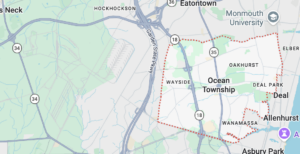
In Ocean Township, New Jersey, part of the roof at the BJ’s Wholesale Club came down on July 6, 2026, during a powerful storm that flooded much of the Jersey Shore. Twenty-seven people were inside when the ceiling gave way, and two of them were briefly trapped before freeing themselves and getting out of the building. No injuries were reported at the scene, but incidents like this raise real concerns for anyone who shops, works, or spends time inside large commercial buildings across New Jersey.
According to the Monmouth County Sheriff’s Office and Ocean Township police, first responders were called to the BJ’s on Route 35 in the midmorning after heavy rain caused a part of the roof to collapse. At the time, more than 60 million people across the Northeast and mid-Atlantic were under flood watches. That kind of weather puts enormous stress on older roofs, drainage systems, and commercial buildings that may not have been properly maintained. When a commercial building fails during a storm, the questions that follow are rarely simple, and the injuries can be far more serious than they first appear.
Serious Injuries Caused by Roof Collapses in New Jersey
A partial or full ceiling collapse can cause severe injuries, even if they are not obvious right away. Falling debris, insulation, ceiling tiles, water, and metal supports can strike shoppers without warning, and people who run or dive to get out of the way often twist knees, sprain ankles, or fall on hard concrete floors.
Common injuries after a commercial roof or ceiling collapse include:
- Traumatic brain injuries and concussions caused by falling debris
- Neck injuries and spinal cord damage
- Fractures and broken bones throughout the body
- Shoulder, knee, and ankle injuries from sudden falls or evasive movement
- Cuts, lacerations, and puncture wounds from sharp materials
- Crush injuries from ceiling tiles, beams, or metal supports
- Post traumatic stress and other psychological trauma
Many people who survive a store roof collapse walk away shaken and later need emergency care, imaging, physical therapy, or long-term treatment. Even people who feel fine at first should pay attention to how they feel over the next several days. Adrenaline can hide pain, and some of the most serious injuries show up 24 to 72 hours later. As severe weather continues to affect New Jersey communities, understanding your rights as an injured shopper is more important than ever.
Legal Rights Under New Jersey Premises Liability Law
Under New Jersey premises liability law, commercial stores like BJ’s Wholesale Club owe the highest level of care to their customers. Shoppers are treated as business invitees, which means retailers have a legal duty to regularly inspect their property for hidden dangers and either fix them or warn customers before someone gets hurt. A severe storm does not automatically get a store off the hook, especially when hidden decay, skipped maintenance, or structural problems played a role in the collapse.
New Jersey law N.J.S.A. 2A:14-2 gives injured shoppers a deadline of two years from the date of the accident to file a personal injury claim to recover damages and losses that were caused by negligence. Missing that deadline can permanently close the door on any compensation, no matter how serious the injuries are or how clear the store’s negligence may be. Two years can pass quickly, and the strength of a claim depends on how soon the investigation begins.
Why the Investigation and an Experienced Attorney Matter
Cases involving building failures move fast. Within hours of a collapse, cleanup crews arrive; damaged materials are hauled away, and repairs begin. During the cleanup, critical evidence can be affected and even disappear in the process, which is why calling a New Jersey injury lawyer early can make such a big difference to the outcome of a case.
An experienced New Jersey personal injury attorney will move quickly to secure the evidence that proves liability. Key pieces of evidence a lawyer will work to protect include:
- Surveillance and security camera footage from inside and outside the store
- Maintenance logs, inspection reports, and repair records for the roof and ceiling
- Past insurance claims and prior complaints tied to the property
- Work orders, building permits, and roofing contractor records
- Weather data and structural engineering reports
- Statements from employees, contractors, and other shoppers who witnessed the collapse
- Photographs of the scene, the debris, and the damaged structure
Finding every party that may have contributed to the collapse is the key to maximizing compensation. That often includes the store, the property owner, the management company, roofing contractors, and outside maintenance vendors. A Monmouth County injury lawyer will bring in structural engineers, safety experts, and accident reconstruction professionals to evaluate the evidence and prepare reports that clearly explain how negligence caused the collapse. That level of preparation is what proves liability, holds every responsible party accountable, and secures the maximum compensation available for the injuries, medical bills, lost wages, and other losses accident victims are forced to carry.
What To Do After a Store Roof Collapse in New Jersey
If you were inside the store during the collapse, or if you have been hurt in a similar incident anywhere in New Jersey, a few simple steps can protect both your health and your legal rights.
- Get checked by a doctor, even if you feel okay, and follow through with any recommended treatment.
- Write down everything you remember about where you were standing, what you saw, and what you heard.
- Take photos of any bruises, cuts, or torn clothing, and keep the shoes and clothes you were wearing.
- Save your receipt, membership card, or anything that proves you were in the store that day.
- Ask witnesses for their names and phone numbers if you can.
- Avoid giving a recorded statement to any insurance company before speaking with a lawyer.
These accidents are never as simple as they look. Speaking with a New Jersey accident lawyer as soon as possible is critical to identifying every responsible party, protecting the evidence, meeting legal deadlines, and building the strongest possible claim for the injuries and losses suffered.
Contact a New Jersey Personal Injury Lawyer at Davis, Saperstein & Salomon, P.C. Today
If you or someone you love was inside BJ’s Wholesale Club in Ocean Township, or was injured in another storm related incident anywhere in New Jersey, the team at Davis, Saperstein & Salomon, P.C. is ready to help. Our New Jersey personal injury attorneys have decades of experience holding large retailers, property owners, and insurance companies accountable when their negligence hurts the people they were supposed to protect.
Contact Davis, Saperstein & Salomon, P.C. at 1-800-LAW-2000 or by email at info@dsslaw.com. The firm offers free, confidential, no-obligation consultations and second opinions, with offices throughout New Jersey and New York City. Cases are handled on a contingency fee basis, meaning clients pay no attorney’s fee unless the firm obtains compensation for them.
Frequently Asked Questions About New Jersey Roof Collapse Claims
Can I sue a store if the roof collapses during a storm in New Jersey?
Possibly. New Jersey law looks at whether the store knew or should have known about the risk. Bad weather alone is not always a valid defense, especially when hidden decay, poor maintenance, or ignored warning signs contributed to the collapse.
How long do I have to file a personal injury claim after a store roof collapse in New Jersey?
Under N.J.S.A. 2A:14-2, most New Jersey personal injury claims must be filed within two years of the date of the accident. Waiting too long can permanently eliminate the right to recover compensation.
Who can be held responsible for a commercial roof collapse in New Jersey?
Responsibility often extends beyond the store itself. Property owners, property management companies, roofing contractors, engineering firms, and outside maintenance vendors can all share liability depending on what the investigation uncovers.
What if I feel fine now but develop pain later?
Get medical care right away and document everything. Adrenaline can hide pain in the first hours or days after a collapse, and delayed injuries are common in this type of incident.
Do I have to pay anything upfront to hire a New Jersey personal injury lawyer?
No. Davis, Saperstein & Salomon, P.C. handles personal injury cases on a contingency fee basis, which means clients pay no attorney’s fee unless the firm obtains compensation for them.